A Platform for Emerging Fashion Talent
Developing a visual identity for a programme dedicated to creativity, education and entrepreneurial growth.
CLIENT
Portanova
COUNTRY
Croatia
YEAR
2015
SERVICES
Brand Identity · Visual System · Typography · Art Direction · Brand Strategy
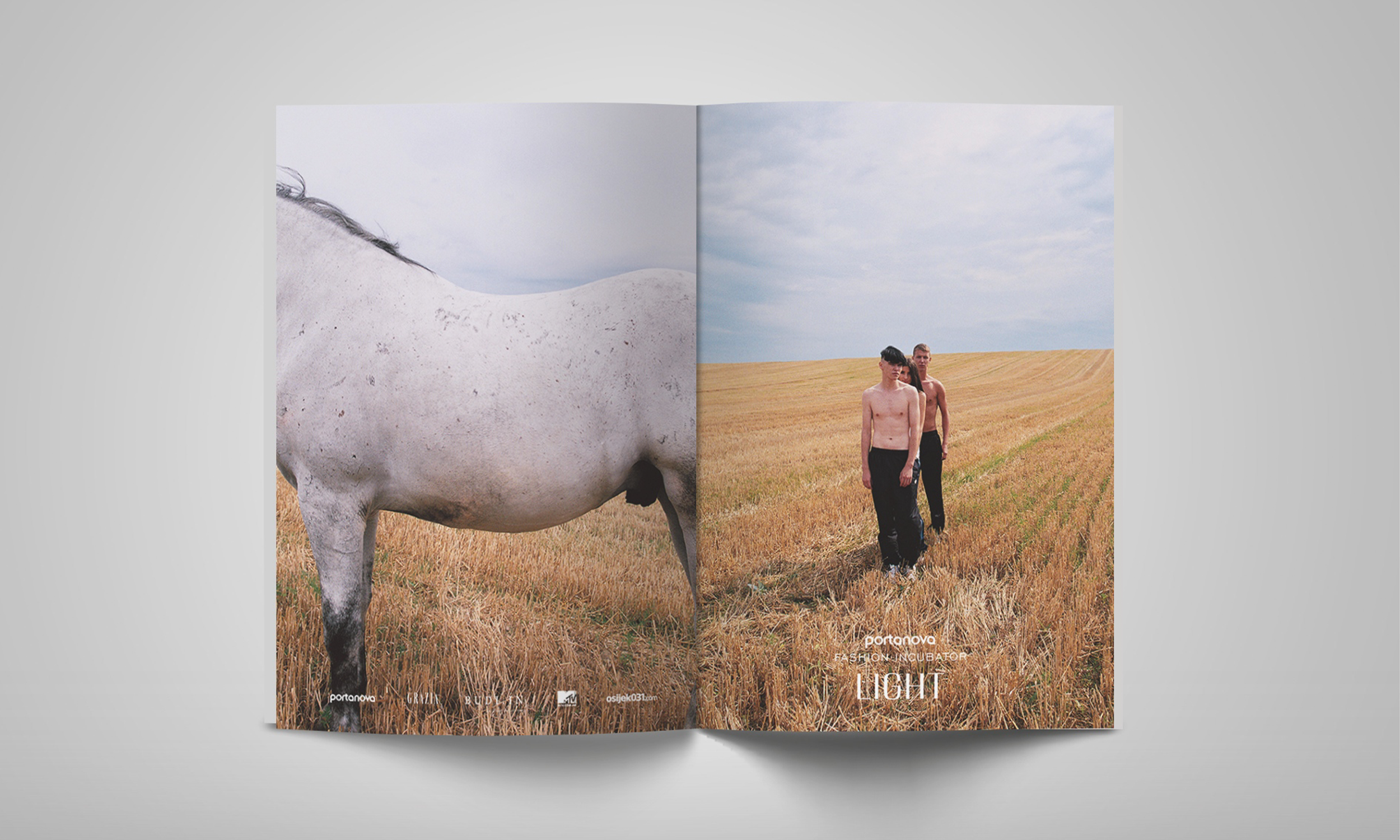
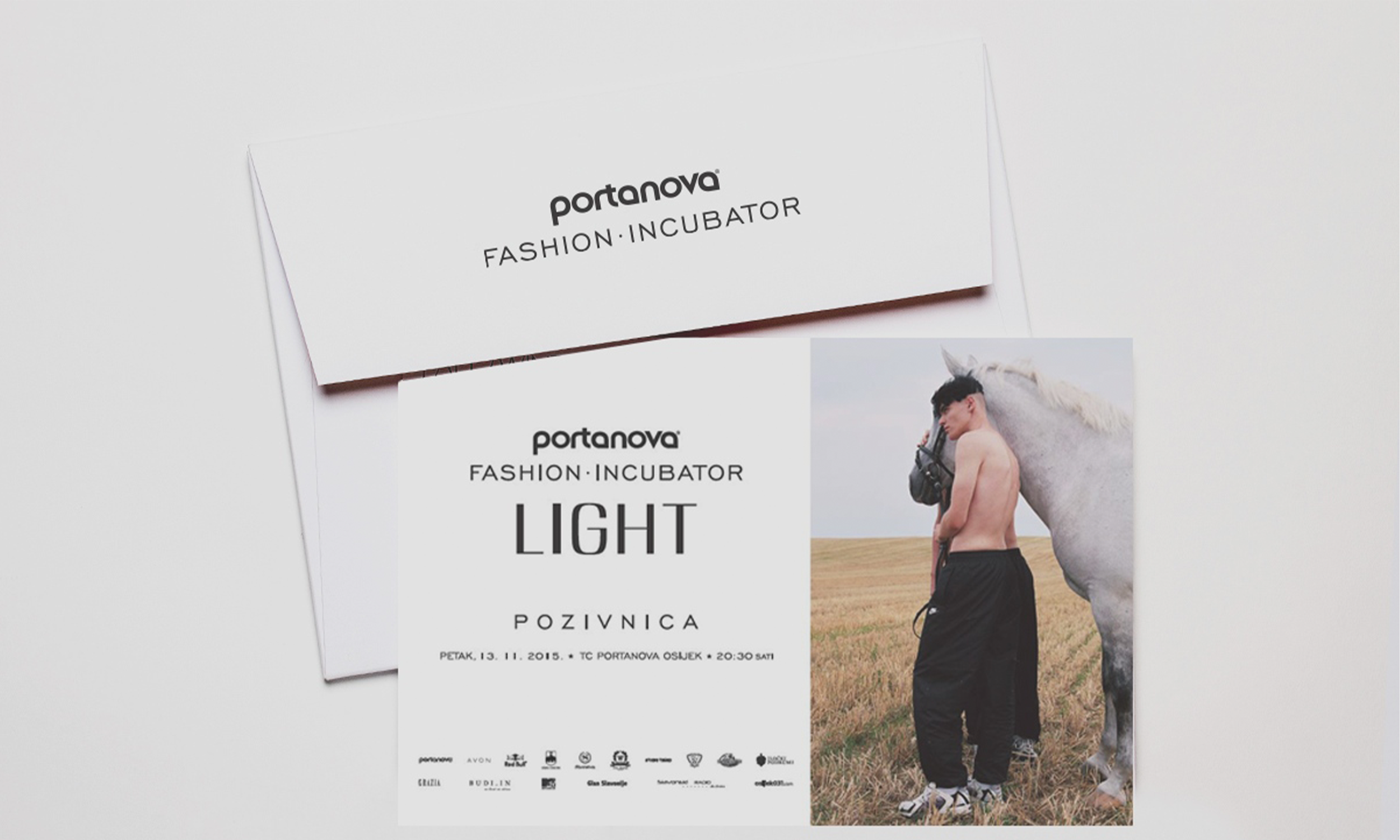
Fashion Incubator was established as a platform dedicated to supporting emerging fashion designers through the development of a distinctive visual identity that reflected creativity, education and entrepreneurial growth. Created under the umbrella of Portanova in Osijek, Croatia, the initiative sought to provide young professionals with opportunities for visibility, collaboration and growth within an increasingly competitive creative landscape. More than a traditional fashion event, the incubator was conceived as a space where ideas, experimentation and professional development could coexist, encouraging participants to transform creative potential into sustainable careers.
The challenge was to develop a visual identity capable of communicating this dual purpose while supporting the programme’s long-term development. The system needed to speak to a new generation of designers while maintaining the credibility and professionalism required by partners, institutions and the wider public. Rather than relying on decorative elements or short-lived visual trends, the objective was to create a strategic identity built on clarity, flexibility and long-term relevance. The visual language needed to reflect the incubator’s role as a meeting point between creativity and structure, inspiration and execution, artistic expression and entrepreneurial thinking.
At the core of the identity was a refined typographic approach that provided both elegance and functionality. Typography became the primary communication tool, establishing a recognisable and flexible visual identity system capable of adapting across a wide range of formats and applications. Supported by a restrained black-and-white palette, the system embraced simplicity as a strategic design decision. This reduction of visual noise allowed the content, participants and programme activities to remain at the forefront, ensuring that the identity could support rather than compete with the creative work it represented. The same design principles are equally valuable in educational product design, where clarity and usability help create engaging learning experiences.
A key consideration throughout the development process was versatility. Fashion Incubator operated across multiple communication channels, including event branding, printed publications, promotional campaigns and digital platforms. The identity therefore needed to function consistently regardless of format or scale. By establishing clear design principles and a cohesive visual framework, the system provided the flexibility required for future growth while maintaining a strong and recognisable presence across every touchpoint.
The resulting identity was designed not only as a visual marker but as a communication tool capable of supporting the incubator’s broader mission. It created a coherent structure through which programmes, workshops, exhibitions, presentations and promotional activities could be presented in a unified and professional manner. This consistency helped strengthen the overall perception of the initiative while providing participants with a platform that reflected the quality and ambition of their work. The same attention to typography, structure and communication also defines successful editorial design, where visual hierarchy and readability shape the user experience across printed publications.
Developed for Portanova in Osijek, Croatia, the project established a contemporary visual language that supported the incubator’s growth, public presence and ongoing development through a clear and consistent identity system. The visual framework enabled the initiative to communicate effectively with a diverse audience, ranging from young designers and industry professionals to media representatives, educational institutions and the wider community.
Beyond its immediate applications, the identity contributed to building long-term recognition within both the local and regional fashion scene. It provided a foundation capable of evolving alongside the programme while remaining true to its original purpose. By focusing on clarity, consistency and adaptability, the project created a visual system that strengthened the creative community, promoted new generations of designers and demonstrated how educational campaign design can support learning, collaboration and professional development through thoughtful visual communication.